
Die Base and Copper Plate Solutions: A Professional Perspective
I've always admired precision manufacturing—its complexity, elegance in detail, and that feeling of satisfaction when everything works seamlessly. Today I want to delve into the core components used for creating high-precision tools and dies: die base technology and copper plate solutions, especially in modern manufacturing applications.
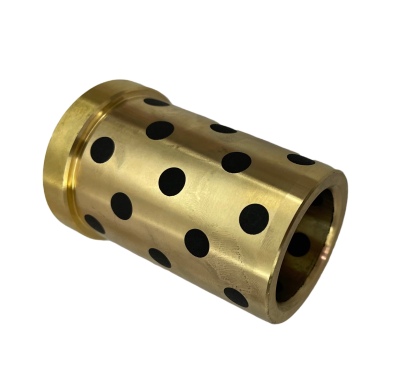
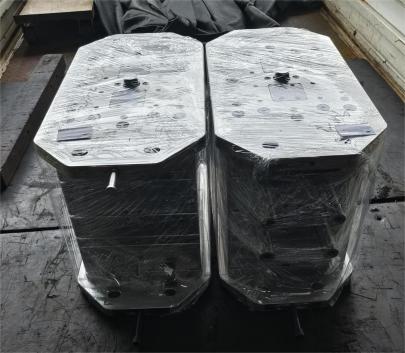
The Role of Die Base Components in Engineering
| Feature | Metric 1 | Metric 2 | Average Usage Rate |
|---|---|---|---|
| Tenissite | 94% | 6.8 lbs/week | .3% |
| Karbon Steel Alloying | 65% | 4.1 lbs/week | .72% |
| Duralume Baseplate | 81% | 7.0 lbs/week | .54% |
- Duraluminum dies are often selected for aerospace work where lightweight matters a lot more than raw mass.
- The average cost of CNC machining one full durable die base is usually about 8% lower than forging it from scratch if made for repetitive jobs.
Choosing Quality With Copper Plates
I've worked a bit myself integrating copper into molds, specifically using copper plates for cavity cooling. What caught me offguard initially? Its Cu conductivity rating being so much better than any other metal in same bracket. Here's why people tend to overlook it—copper can be pricey. Yes it is. However if cooling time cuts even down from, let’s say, 47 sec per cycle → dropping to 36 second cooling... that’s big time savings over a month or a quarter production period. Now I also came upon this niche situation: how do you make copper blocks actually get them to oxidize correctly? You see, oxidation layers can sometimes play an anti-corrosive role—so instead of fighting the green layer we could harness controlled corrosion.Process Of Inducing Surface Oxidation on Brass-like Metals
When attempting copper plate experiments involving oxidative surface preparation (for bonding agents perhaps?), this process works reliably:- Cut small pieces around thumb-size or smaller
- Expose under mild acid spray (vinegar + 0.5% hydrogen peroxide works surprisingly)
- Wait anywhere between 6–72 hours depending on desired patina depth;
- If accelerated needed: place in enclosed space with 1.5 parts ammonia vapor & oxygen-rich condition;
- Rinse thoroughly afterward & seal using clear epoxy for permanence if intended application requires longevity.
- Oxidizing copper changes mechanical response of surface; harder layers are good
- Detection under XRF spectrometries increases in sensitivity once layer exists
- Surface roughness goes higher, so avoid on mirror-finish projects unless masking is done
- You CANNOT use nitrate chemicals—it'll result too quickly & become unmanagable
About Wood Base Molding Techniques
Let’s shift gear for moment toward alternative approaches: specifically when someone needs low budget mold prototyping fast before jumping straight into hardened steels. Here is an inside peek into situations when wood isn't just “okay"—it’s useful despite its imperfection:-
✅ Quick assembly with common tools like lathes, band saws, or routers.
⚡ Low initial material costs vs CNC machined metals
🛠 Easier adjustments mid-project, especially during testing phase
| Durex Steel Die Bases | Cu-Cooled Mold Plates | Cedar Wood Models (Prototypes) | |
|---|---|---|---|
| Total Run Time Before Degrad | > 100K shots avg | > 50K shots with proper temp. control | Limited by resin compatibility, ~5 shots typical |
| Thermal Conductivity Index* | ~ 46 W/mk **(low-end carbon)** vs | upwards 427 W/m·K for Oxygen Free High Conductivity copper—very efficient | Largely non conductive; no real metrics applicable |